What Happens When an AI Enthusiast Starts a Stroopwafel Business?
I never planned to start a stroopwafel business.
It started with a suitcase.
Every time I travelled back to Mauritius, I would bring stroopwafels with me from the Netherlands. At first, it was simply something I wanted my family and friends to discover.
And they loved them.
Then something funny happened.
Every time I planned another trip to Mauritius, people started asking me:
"Are you bringing stroopwafels?"
The stroopwafel had somehow become part of my travel ritual.
And during my last trip back to Mauritius, on the flight back to the Netherlands, I suddenly had a thought:
Wait a minute.
Here was a product that connected the two worlds I know so well.
A very Dutch product.
Loved by people in Mauritius.
And I was living in the Netherlands, right at the source.
Maybe there was something here.
Maybe I could actually build a business around it.
But I had one problem
I didn't know how to make a stroopwafel.
So I started where anyone should start when they don't know something:
I learned.
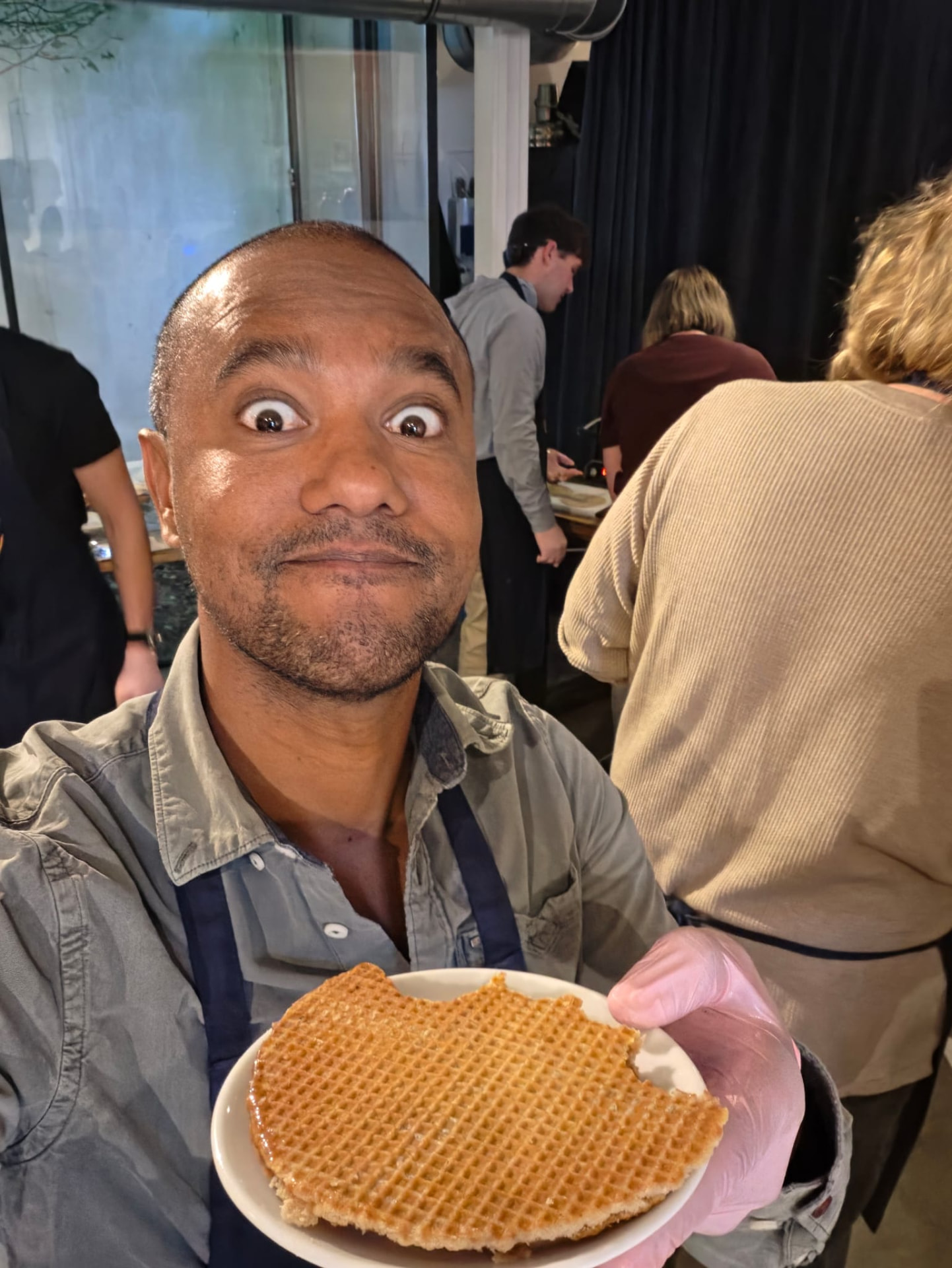
I went to Amsterdam and took a workshop on how to bake stroopwafels.
I came home with a basic recipe, some confidence and a new question:
What if I actually tried to build this?
That's when the idea became more interesting to me.
Because I'm a marketer.
And I'm also fascinated by AI.
For the last few years, we've been talking constantly about how AI is transforming digital businesses.
People are building websites with AI.
Writing content with AI.
Creating software with AI.
Generating images with AI.
Automating online businesses with AI.
But I started wondering:
What if I used AI to build something physical?
Something you can touch.
Something you have to make with your hands.
Something you can sell face-to-face to a real person.
Not an AI startup.
Not a digital product.
A stroopwafel.
And so I decided to run an experiment.
Can AI help me build a real-world business?
I didn't know where it would lead.
I still don't.
And that's exactly why I find it interesting.
Step 1: Should this business even exist?
The first conversations with AI weren't about logos or social media posts.
They were about the idea itself.
Should I do this?
Who would buy it?
What would make it different?
What flavours could work?
Could I combine the Dutch product with something Mauritian?
What would the business model look like?
What could I sell?
Where should I start?
And eventually, one idea started to stand out:
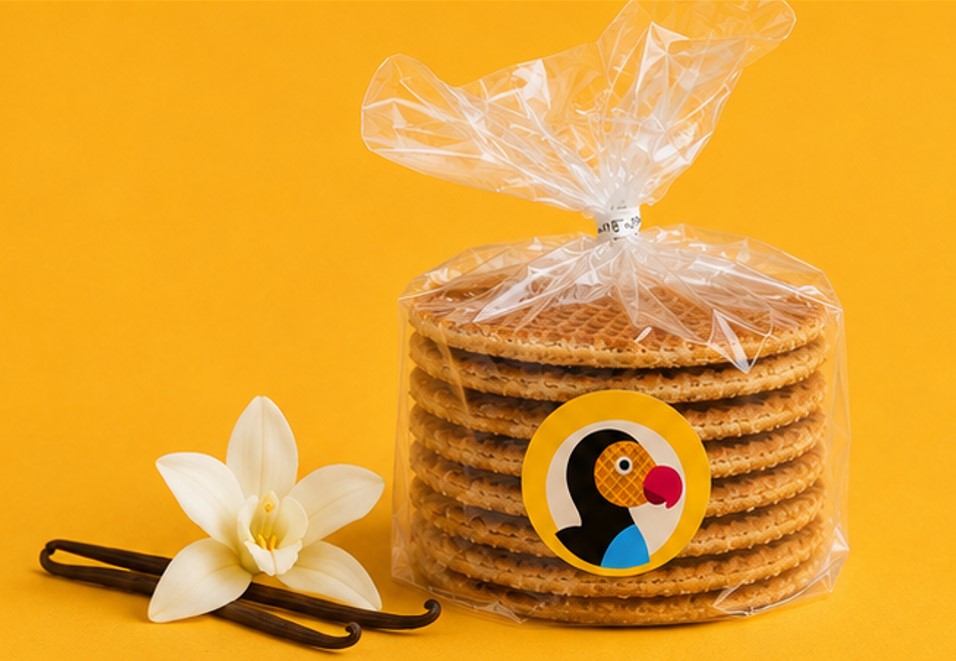
A Dutch stroopwafel with a Mauritian twist.
That became the foundation of Dodo Wafel.
The name, the story and the concept started taking shape.
And I quickly realised something.
AI is not necessarily the person who gives you the brilliant idea.
It is more like a very patient thinking partner.
You throw an idea at it.
It challenges you.
You ask another question.
It gives you ten possibilities.
You reject eight.
You explore two.
You come back with something better.
And you keep going.
Then came the hard part: making the product
An idea is easy.
Making fifty consistent stroopwafels is another story.
I started experimenting with recipes.
Ingredients.
Quantities.
Suppliers.
Equipment.
Production.
Flavours.
Texture.
Packaging.
And suddenly the business was no longer happening on my laptop.
I had flour on the table.
Butter in the kitchen.
Dough everywhere.
And a growing pile of stroopwafels.
Some experiments worked.
Some didn't.
At one point I realised the texture was more biscuit-like than the chewy stroopwafel I was aiming for.
So we went back to experimenting.
That's something I think gets lost in a lot of conversations about AI.
AI can give you an answer in seconds.
But the real world still has a vote.
You can ask AI about a recipe. But you still have to bake it.
You can ask AI about packaging. But you still have to hold the package in your hands.
You can ask AI what customers might like. But eventually you have to stand in front of a customer and find out.
From stroopwafel to Dodo Wafel
Once I had a product, I needed a brand.
And this was where my marketing background and AI became particularly useful.
We worked through:
- the name
- the positioning
- the story
- the logo
- colours
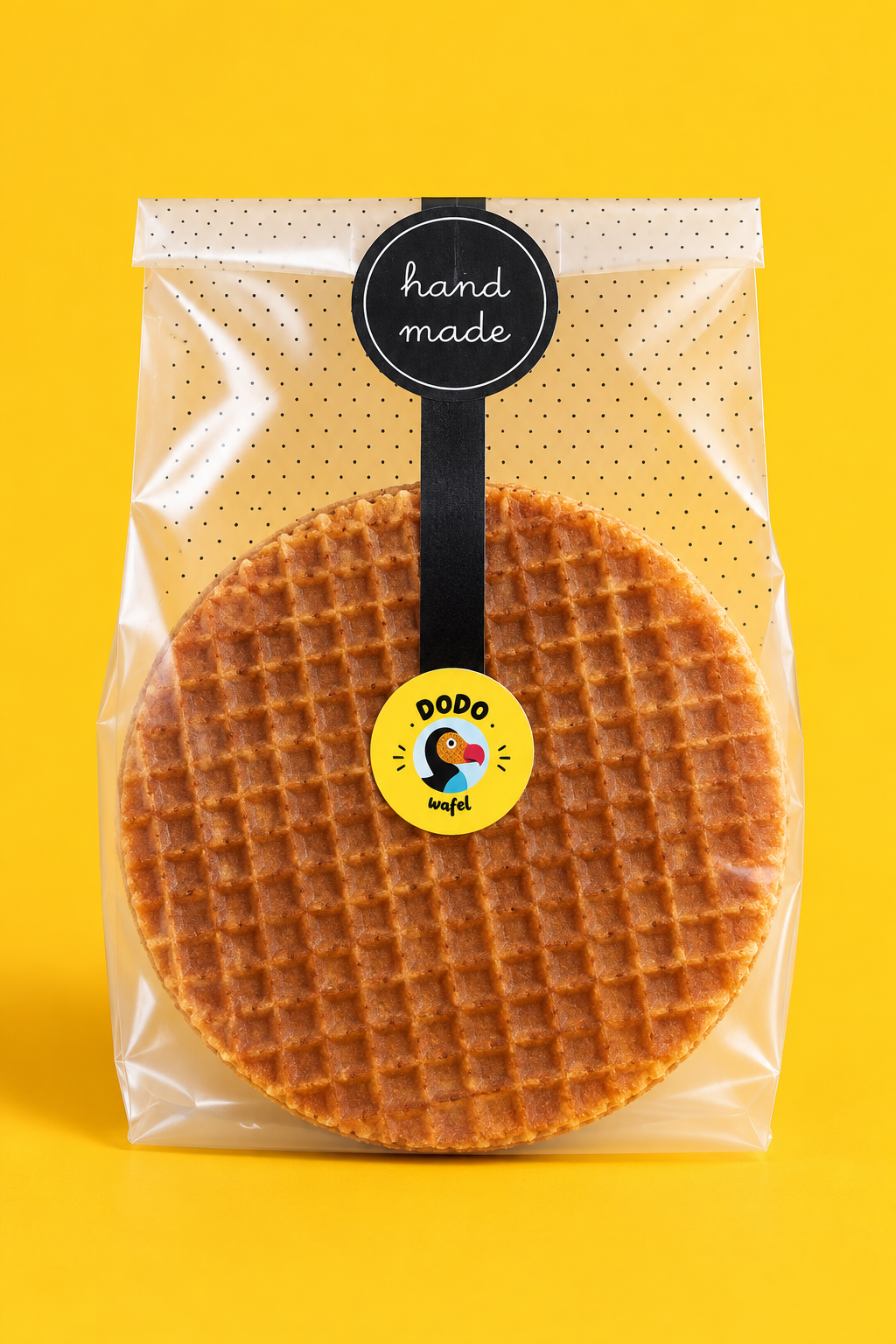
- packaging
- product photography
- website
- marketing messages
- customer segments
- pricing
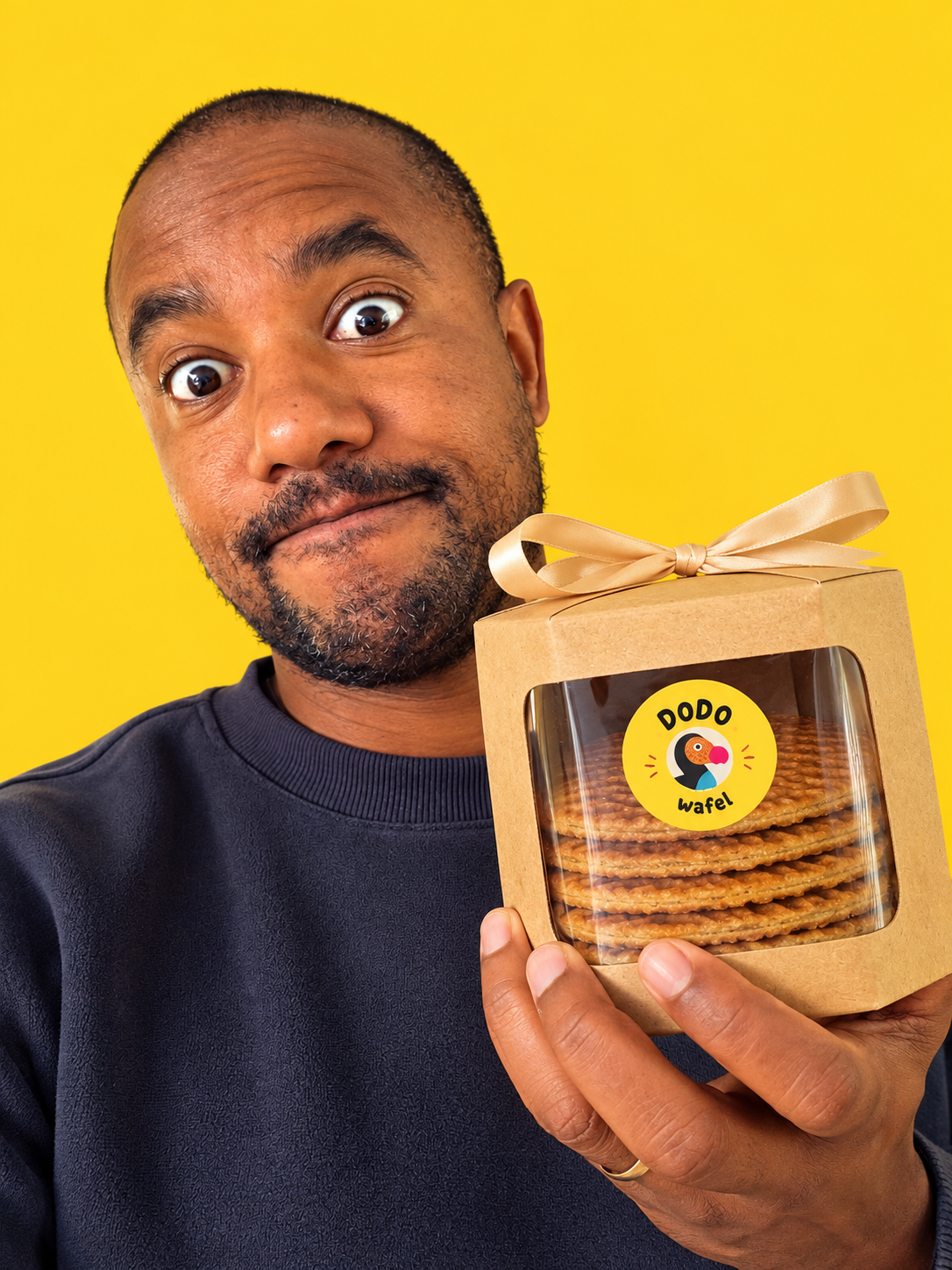
Eventually, Dodo Wafel became a real identity.
The idea was simple:
Authentic Dutch flavour with a Mauritian twist.
And the more I worked on it, the more I realised that the brand itself could become part of the experience.
It wasn't just about selling a stroopwafel.
It was about bringing two places together.
The Netherlands and Mauritius.
Where I came from.
And where I live now.
Start small
I could have tried to launch everywhere.
Instead, I decided to start where I live.
Balk.
My local community.
Friends.
Family.
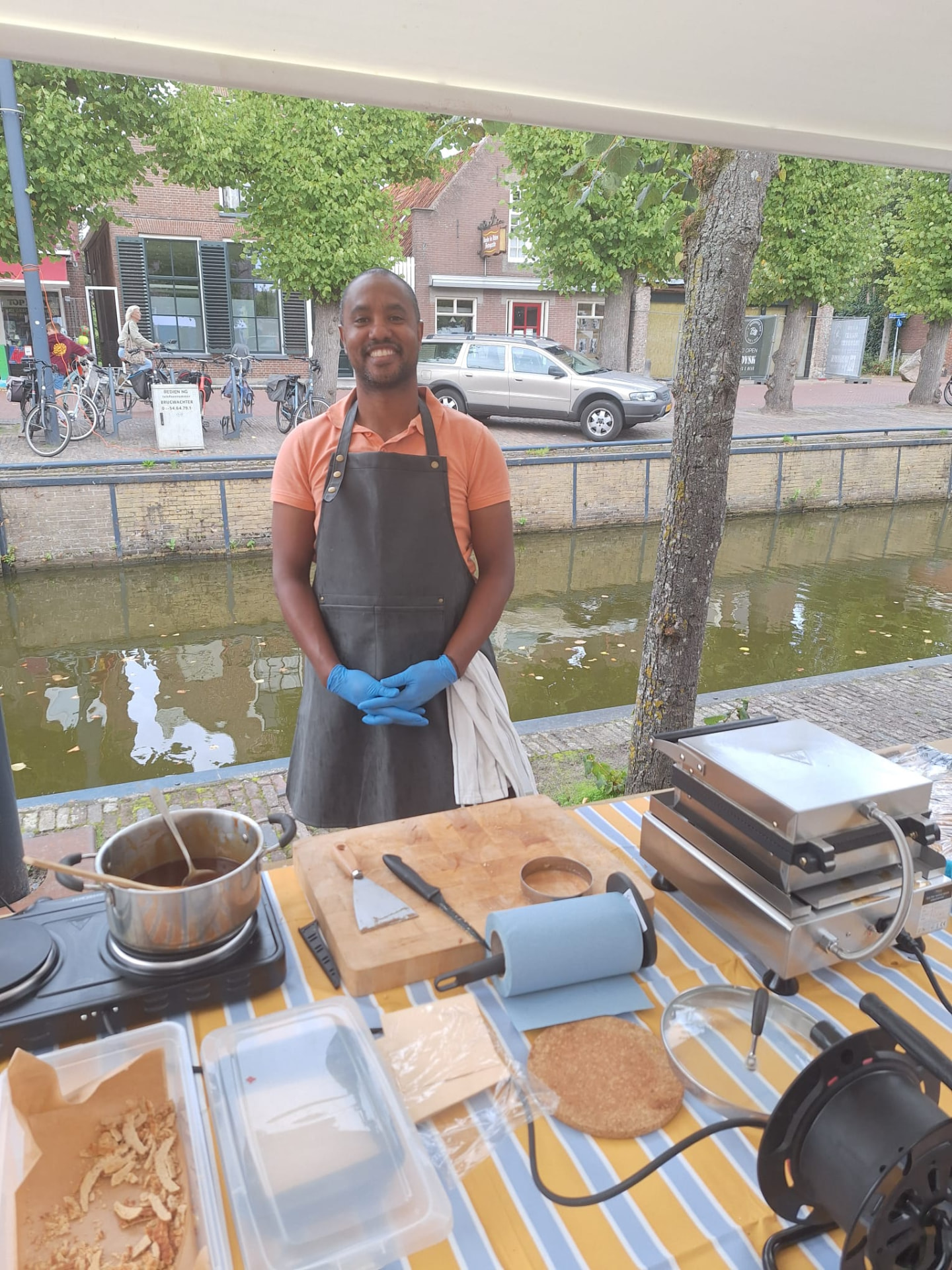
And then local markets.
Freshly baked stroopwafels, sold directly to people.
That decision was intentional.
I didn't want to build a huge plan based on assumptions.
I wanted to put the product in front of real people.
And see what happened.
At the market, something fascinating happens that no AI simulation can completely reproduce.
Someone walks past.
They see the stroopwafel.
They ask what makes it different.
You explain the Mauritian connection.
They taste it.
You watch their reaction.
And then they either buy one… or they don't.
That's real market research.
The business started becoming real
Then came another important part: the numbers.
How much does one stroopwafel actually cost?
How much does the packaging cost?
What should I charge?
What margin do I make?
Does selling at a market work differently from selling directly?
What happens if I offer eight?
What happens if I offer a subscription?
I started calculating everything.
And this led to another little experiment.
I didn't want to bake every day.
So instead of trying to sell whenever someone wanted a stroopwafel, I created a simple monthly subscription model for friends and local customers.
Once a month:
- I send a WhatsApp announcement.
- People order.
- I bake.
- I distribute.
And that's it.
Simple.
Small.
Manageable.
And very real.
AI is becoming more than a tool
Today, Dodo Wafel has:
Crafting the foundation - A product.
Elevating the creative part - A brand.
Designing the experience - Packaging.
Building the storefront - A website.
Finding your people - Customers.
Showing up locally - Markets.
Valuing the work - Pricing.
Making it sustainable - Margins.
Automating the boring parts - Admin & Finance.
Looking ahead - A growing list of things I want to explore next.
And that's where the experiment gets even more interesting.
Because I started by simply using AI.
Now I'm asking a bigger question:
What would it mean to build an AI-powered physical business?
Not an AI company.
A physical company that uses AI as part of its infrastructure.
Could AI help with:
- marketing?
- customer management?
- production planning?
- finance?
- operations?
- sales?
- decision making?
I don't know yet.
And I'm not going to pretend I do.
That's the point of this experiment.
I'm not writing this as a success story
At least not yet.
I don't know where Dodo Wafel will be in one year.
Maybe it will become a serious business.
Maybe it will remain a small local business.
Maybe I'll discover a completely different opportunity along the way.
There will certainly be mistakes.
There will be products that don't work.
Markets that don't work.
Ideas that turn out to be bad ideas.
And probably a lot of stroopwafels that don't look exactly as planned.
But I'm increasingly convinced that this is the interesting part.
Because entrepreneurship isn't about knowing exactly where you're going.
It's about being willing to take the next step.
Learn.
Test.
Listen.
Adapt.
And take another step.
So this is my experiment
I'm calling it the Dodo Wafel experiment.
I'm building a physical business from scratch.
And I'm using AI as my sidekick.
Not to replace me.
Not to make all the decisions.
But to help me research, think, create, calculate, test, organise and move faster.
And I'm going to share what happens.
The successes.
The failures.
The unexpected lessons.
The numbers.
The experiments.
And the things I discover about what AI can—and cannot—do when it leaves the screen and enters the real world.
Because maybe the most interesting question isn't:
"What can AI create?"
Maybe it's:
"What can we create when we put AI beside us?"
Let's see where this one goes.
Dodo Wafel — one Dutch stroopwafel, one Mauritian twist, and one very interesting experiment.
The Dodo Wafel journey, so far
From learning the craft to testing a real product with real customers.
- 1
Amsterdam workshop
Learning how to make an authentic Dutch stroopwafel was the first practical step.
- 2
The concept was born
A Dutch stroopwafel with a Mauritian twist.
- 3
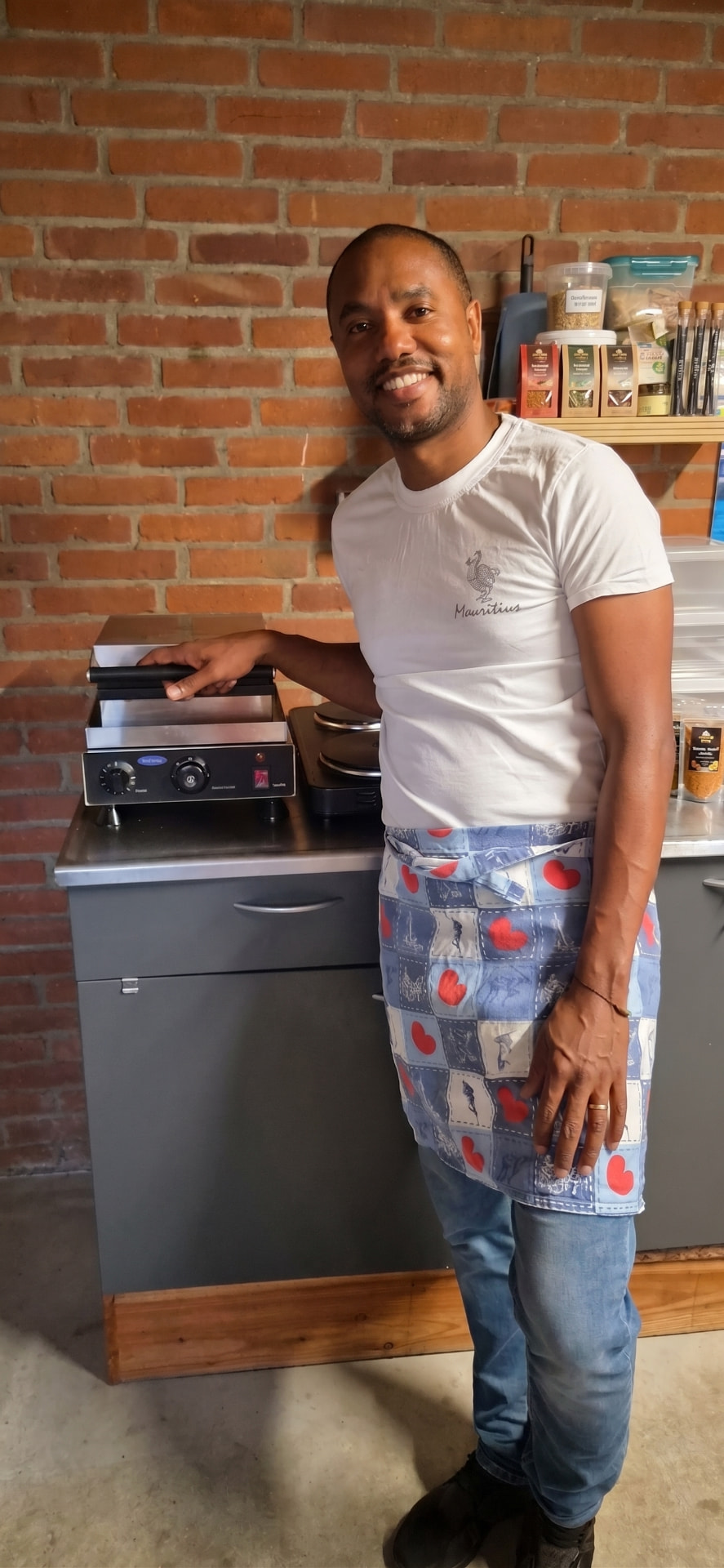
The hard part: making the product
Turning an idea into a consistent product meant learning, testing and making it by hand.
- 4
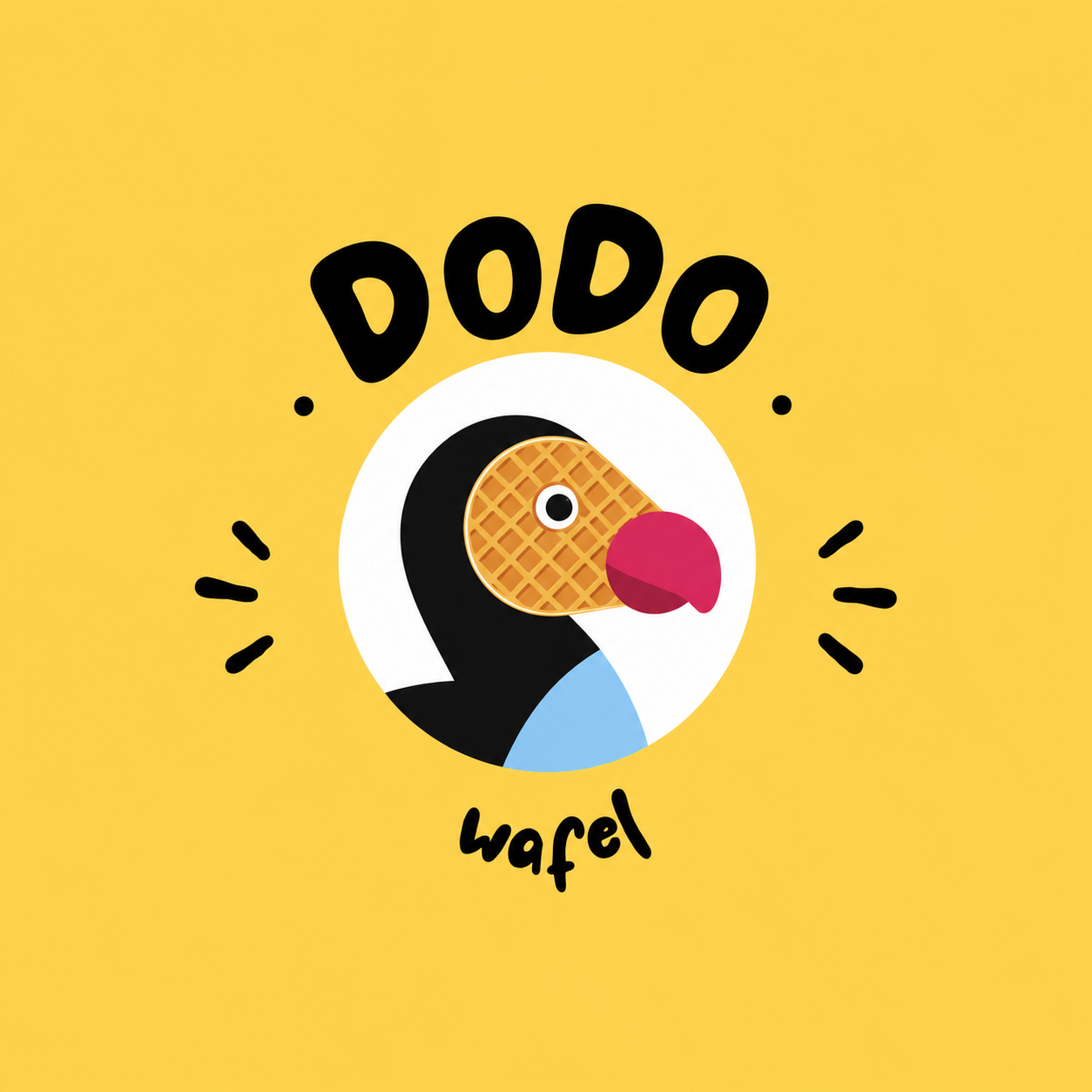
From stroopwafel to Dodo Wafel
The name, story and visual identity brought the Dutch and Mauritian influences together.
- 5
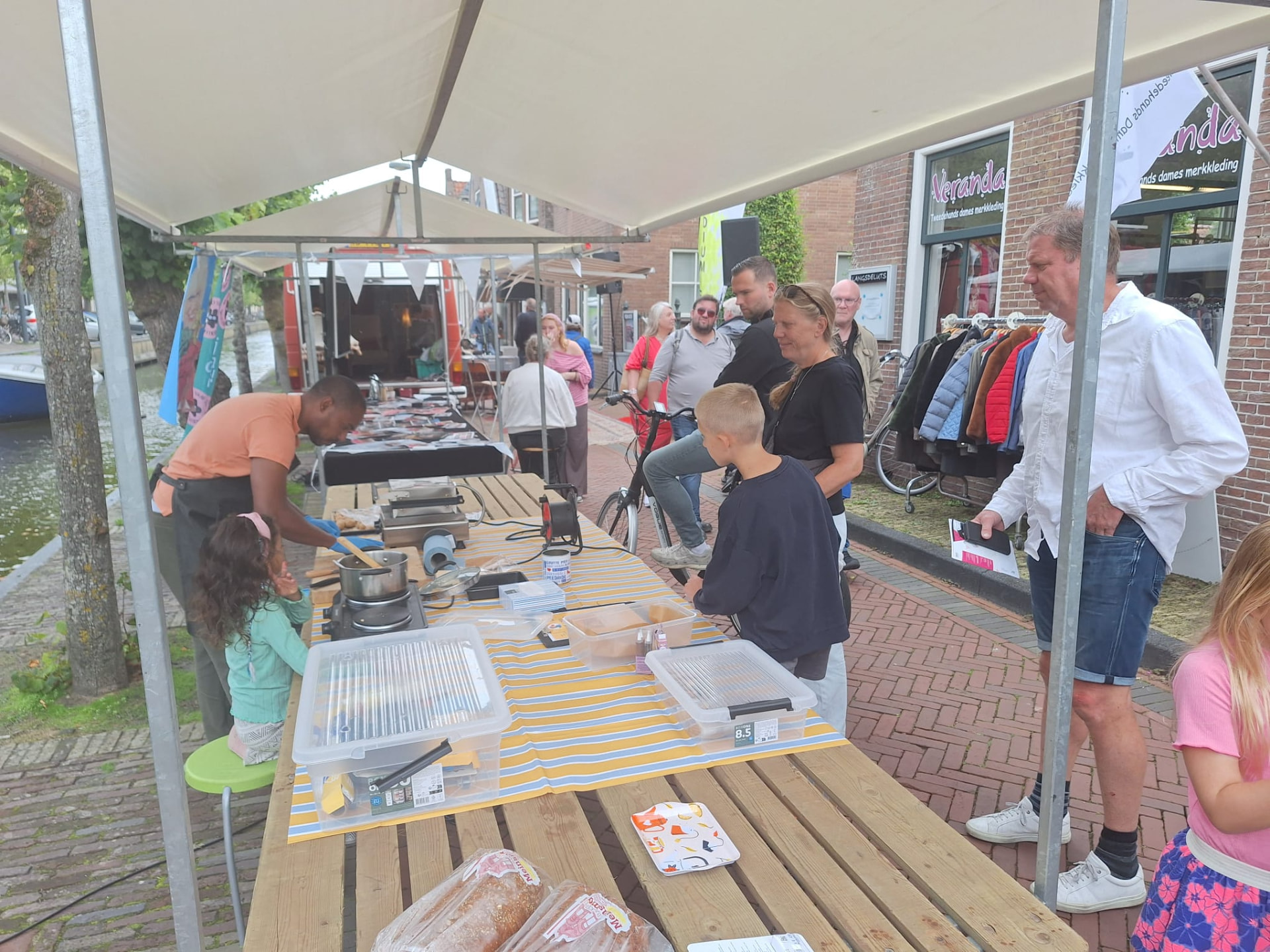
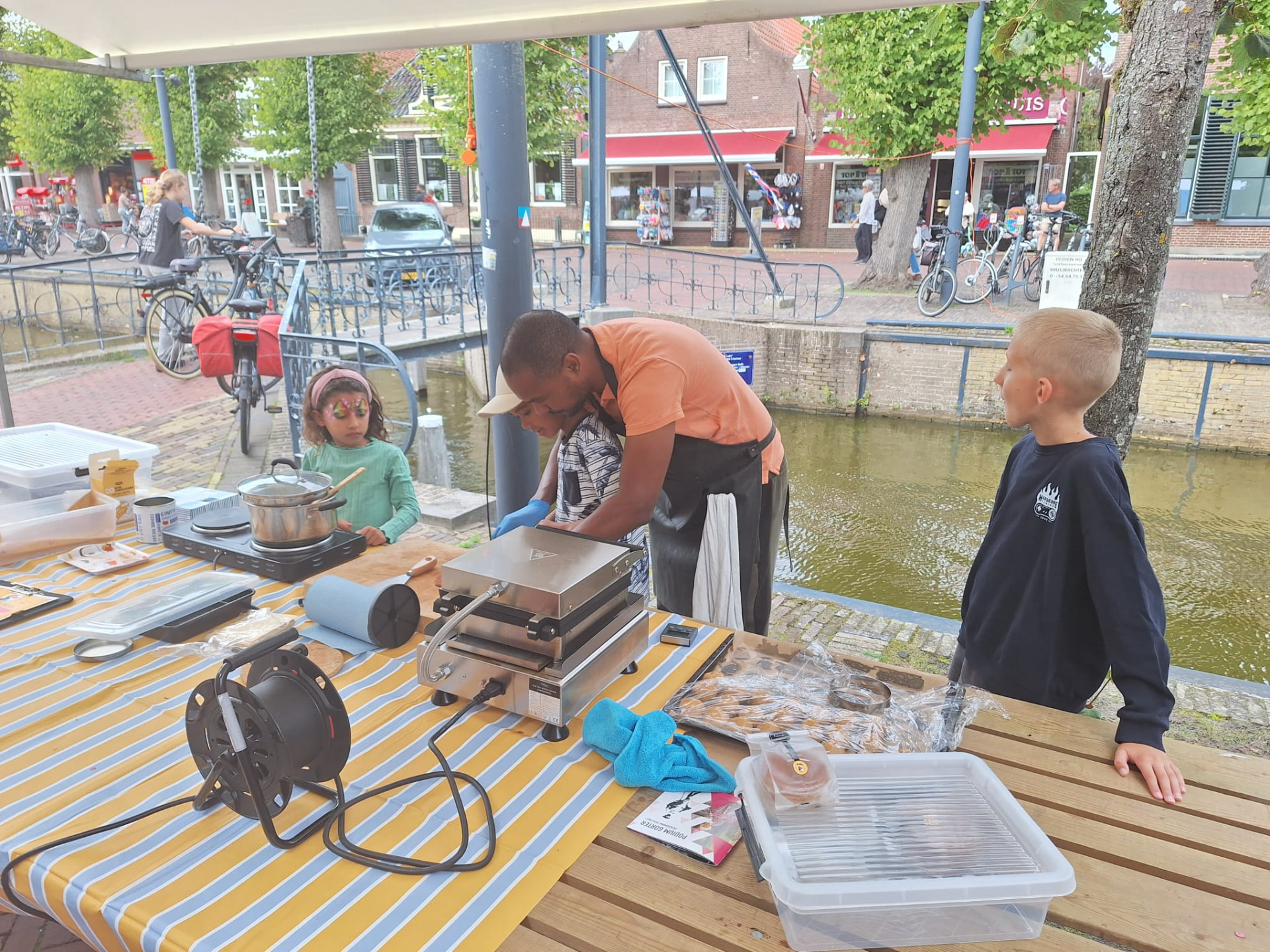
Start small
Testing at a local market, refining the product and putting it directly into customers' hands.
- 6
The future
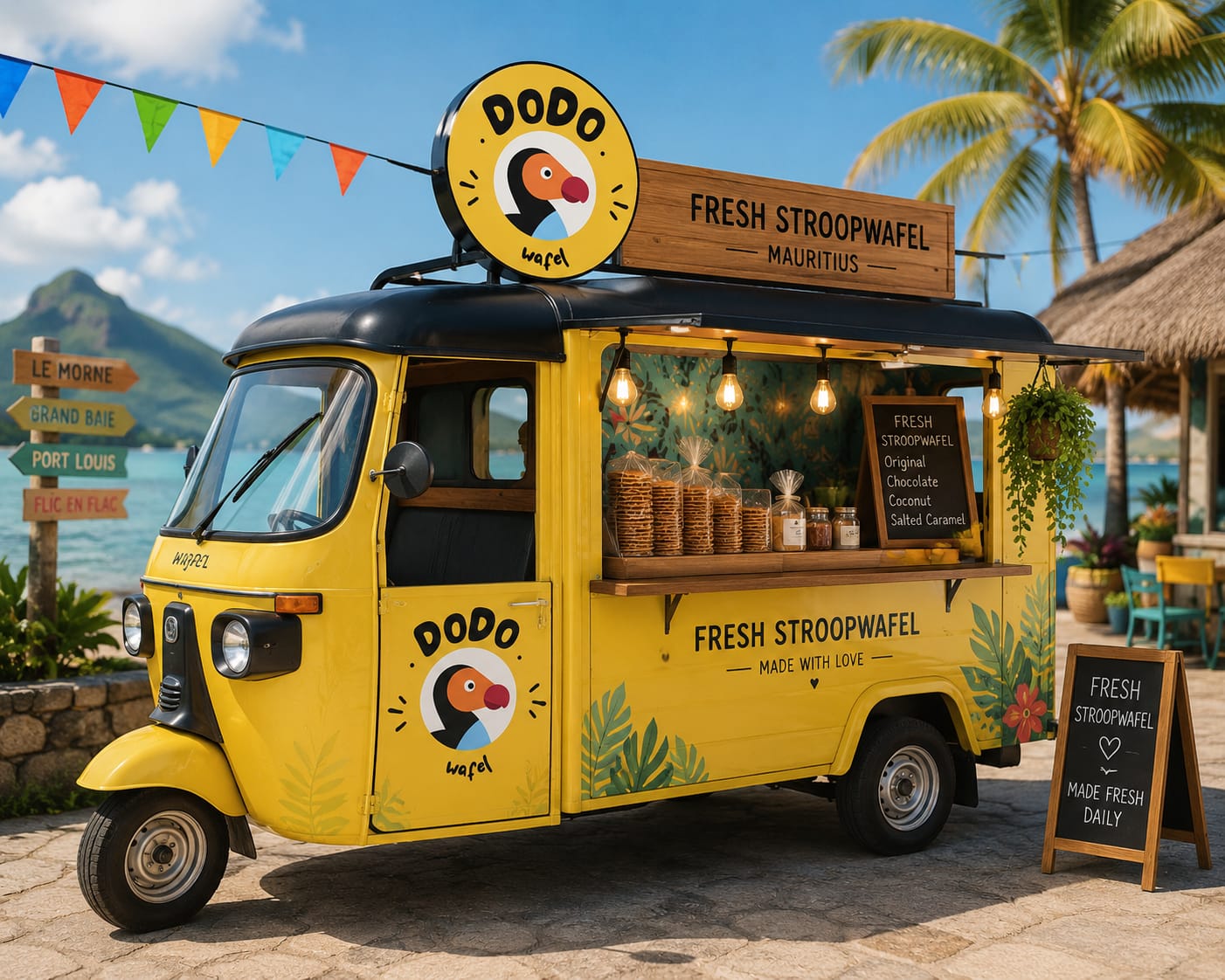
Concept imageA vision for where Dodo Wafel could go next. This food truck does not exist yet; it is a concept image.